
I often find that our most difficult conflicts occur when both sides believe they are right. And many times they are. So navigating to right vs. right values is essential to successfully finding wisdom.
Value conflicts occur when cultures, nations, and families interact. These competing values are often not consciously recognized by the people who hold them and therefore one or both sides are convinced they are “right” and conflict may erupt.
Keep these value conflicts in mind when you face difficult moral decisions and consider using Making Ethical Decisions when you want to walk through the decision step by step. These conflicts are not perfect opposites and many “third ways” of resolving differences exist. However, being aware of the opposite ends of potential spectrums can help conceptualize problems faced.
1. Individual vs Community or (Freedom vs Responsibility)

Individual decisions are what we think are best for us while community decisions are made with the best interests of the organization or group in mind. Individuals are giving the freedom to do what they believe is best to get the job down. Responsibility expects people to honor the agreed upon expectations set by the community.

2. Honoring vs Challenging Authority
Cultures that honor authority understand that their and their teams’ ability to be successful is dependent on their following the decisions of leadership. People that challenge authority know that nothing will ever change if someone does not speak up and help leaders see things they are not aware of.
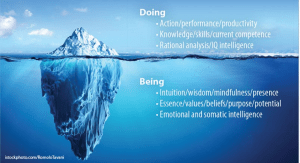
3. Being vs Doing
Many people based their success on what they accomplish each day. They want to get things done. Others are more concerned with how they live and they attention to being a certain kind of person versus being measured by achievements.
4. Cooperating vs Competing or (Relationships vs. Achievements)
Cooperating cultures are more focus on preserving the relationships and allowing the strenghts of these relationships to reach goals. Competing cultures focus on the end goal and relationships are often manipulated to reach a goal.

5. Punctuality vs Present Moment
Some cultures believe that being “on time” demonstrates a care for the other person waiting for them. Other cultures focus on the relationship in the present moment in spite of a meeting time. Both groups value relationships, but one does it by honoring the people waiting while the other by focusing on people present at that moment.

6. Long vs. Short Term Focus
Some people focus on living each day to its best and dealing with life as it comes, while others identify goals they want to achieve in the future and identify steps it will take over time to get there.
7. Direct vs Indirect Communication
Direct communicators leave little to be assumed because they want to make sure the information is clearly shared. They can sometimes offend others because their intent on stating things plainly is perceived as mean. Indirect communicators assume that the “other” is capable of making assumptions about context and want to avoid hurting anyone’s feelings by being to direct.
8. Accomodators vs Universalists
Accomodating cultures are comfortable allowing other groups to identify what is important to them, even if it directly conflicts with their own culture. They live and let live. Universalists believe there are certain absolute truths that should be honored in any and every culture and advocate for these values to be universally applied.
9. Change vs Continuity (or Taking Risks vs Playing It Safe)
Those who take risks know that in the long run, nothing can be gained without taking informed and educated risks. Those who play it safe prefer to let others make the mistakes that come with risk and wait until the situation is more safe to act.
10. Truth vs Loyalty
Some people want to always tell the truth no matter the consequences to others. Other people are more focused on what they see as the integrity and strength of a relationship as most important in guiding their words.
11. Objective vs Emotional Communicators
Objective communicators attempt to eliminate any influence of emotion in how they make decisions. They believe that can be impartial to their emotions. Emotional communicators believe that our feelings are closely tied to how we influence others and therefore integrating feelings in our messages helps to impact change.

12. Justice vs Mercy
Sometimes we believe the fairest thing is to uphold agreed upon rules and allow the consequenes of not meeting them be experienced. Other times we step in and decide that forgiveness is going to be better for the person and situation.
Adapted from the written work of David Livermore and Rushworth Kidder.
 Deep Thoughts on Higher Ed and Life