
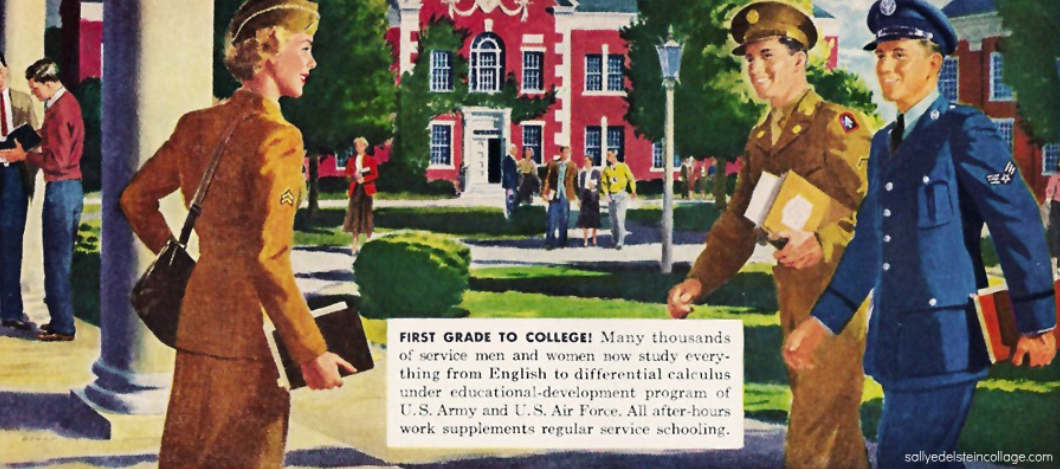
I wrote this to show how adaptable higher education has been to new populations of potential students over the past 150 years. Hopefully you can see how even when external pressures forced periods of substantial change in universities’ target audience, most colleges have shifted to stay alive. The last section is one I propose is the emerging population shift for universities that will gain substantial momentum in 2026.
I. College only for the Boys
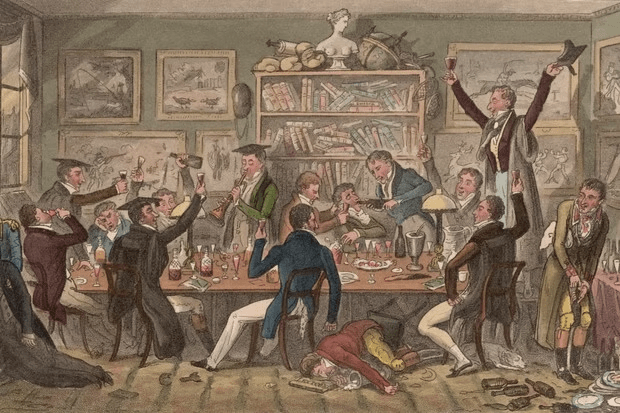
| Year(s) | What Happened | Context |
| Up to 1800s | College for boys 14-18 years old | There was no K-12 standardized education |
| 1892 | Committee of 10 Report | Recommended college admissions at 18 |
| Early 1900s | Colleges adjusted entrance requirements to assume 4 years of high school |
Once standardized high schools were created, colleges realized they could grow more by admitting older males
II. College only for the Young Men
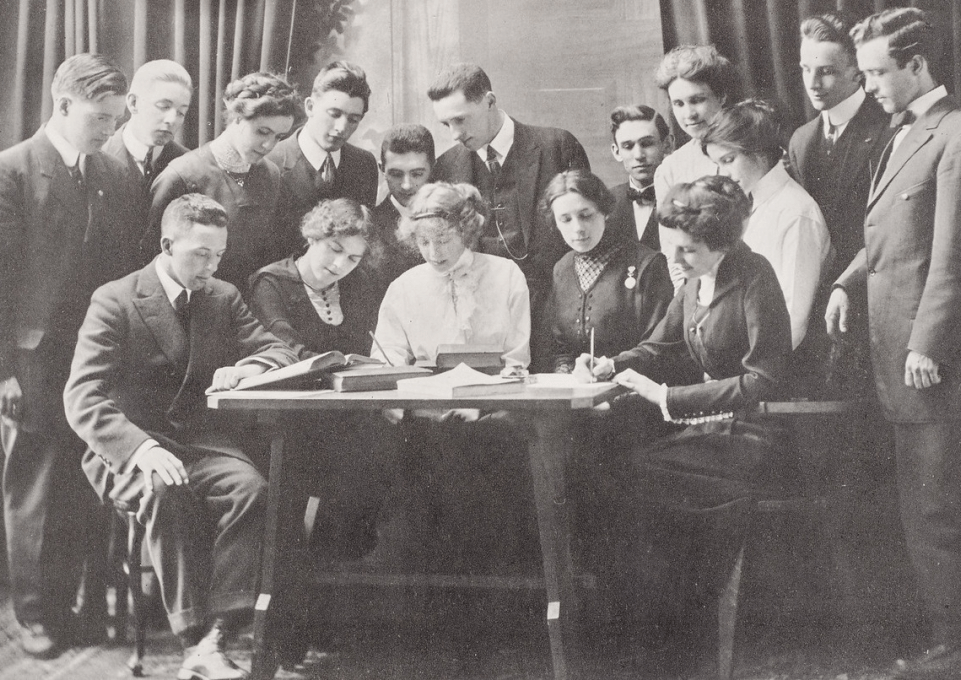
| Year(s) | What Happened | Context |
| Up to 1860s | Most colleges were male only | Women colleges existed as alternatives |
| 1862 | Morrill Act created Land Grant Colleges | Resulted in public colleges being more open to women |
| 1900-1960 | Most private colleges began allowing women | Left only 4 all-male colleges as of 2025 |
Once the rights of women began to be recognized, colleges realized they could grow more by admitting women
III. College only for the Wealthy

| Year(s) | What Happened | Context |
| Up to 1940s | Most colleges were for the wealthy | Lower SES students rarely attended college |
| 1944 | GI Bill (Servicemen’s Readjustment Act) | Funded returning WWII veterans to attend college |
| 1947 | 49% of all college admissions were veterans of WWII | Obviously, this went down some over time |
Once the U.S. Government provided free funds to WWII veterans, colleges realized they could access these funds by admitting veterans
IV. College only for the Whites

| Year(s) | What Happened | Context |
| Up to 1950s | Most colleges were white only | HBCUs were alternatives in the South |
| 1954 | Brown vs Board of Education | Forced public colleges to admit Black students |
| 1964 | Civil Rights Act | Banned discrimination in federally funded universities |
Once the Supreme Court required public institutions to integrate, colleges realized that to keep accessing federal funds they must integrate
V. College only for U.S. Citizens

| Year(s) | What Happened | Context |
| Up to 1980s | Most colleges were only U.S. citizens | The creation of the 1946 Fulbright Program began to encourage international students |
| 1965 | U.S. Immigration and Nationality Act | Removed country quotas – easier for students in Asia, Africa, and Latin America to attend |
| 1980s | Post Baby Boom birth rate hits colleges and | Enrollment trough required university to find new ways of maintaining student numbers |
| 1980s | States begin to reduce funding to colleges | Colleges tried to find more “full-paying” students, which most international students are |
| 2024 | 6% of all U.S. college students are international | Highest percentage ever |
Once the dip in birth rate after the Baby Boomers hit colleges, they realized they could capture lost revenue from full-paying international students
VI. College only for In-Person
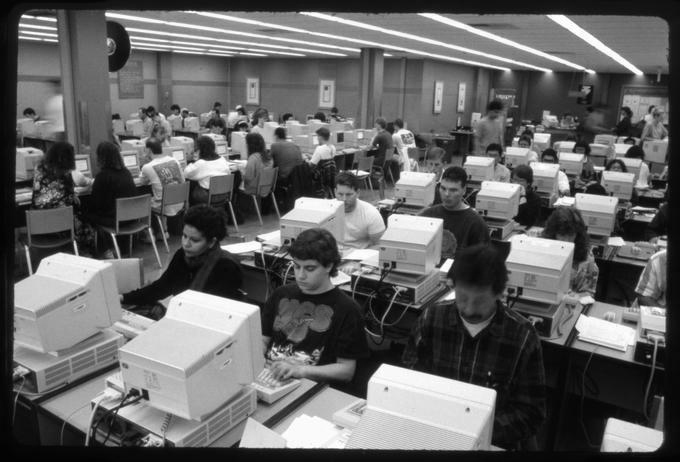
| Year(s) | What Happened | Context |
| Up to 1990s | Most colleges were only in-person | A few correspondence programs did exist (snail mailed documents back-and-forth) |
| 1989 | U. of Phoenix created | First online education program |
| 1995 | Jones International U. | First accredited online university |
| 1998-2010 | Most traditional universities launched online campuses | |
| 2020 | Covid-19 | Accelerated growth of online degrees |
Once the internet allowed for the creation of on-learning, colleges realized they could access more funds by creating online programs
VII. College only for Young Adults

| Year(s) | What Happened | Context |
| Up to 2025 | Colleges focused on young adults | Some programs for mid-life adults existed |
| 2000 | Bernard Osher Foundation focused on “more mature students” | Today National Resource Center for Osher Lifelong Learning Institutes at Northwestern maintains network of 124 programs at colleges for adults 50+ |
| 2013 | Age-Friendly Global Network founded | Highlights colleges enhancing lives of older adults through innovative educational programs |
| 2009, 2014, 1018 | Harvard, Stanford, & Notre Dame, respectively, start institutes/initiatives for adults 50+ | Harvard’s program (2009) rooted in 2005 white paper, Moving Higher Education to its Next Stage. |
| 2026 | HS graduates began decades of decline (linked to 2008 Recession birthrate drop) | Jeff predicts that colleges will dramatically increase programs for older adults! |

 Deep Thoughts on Higher Ed and Life