
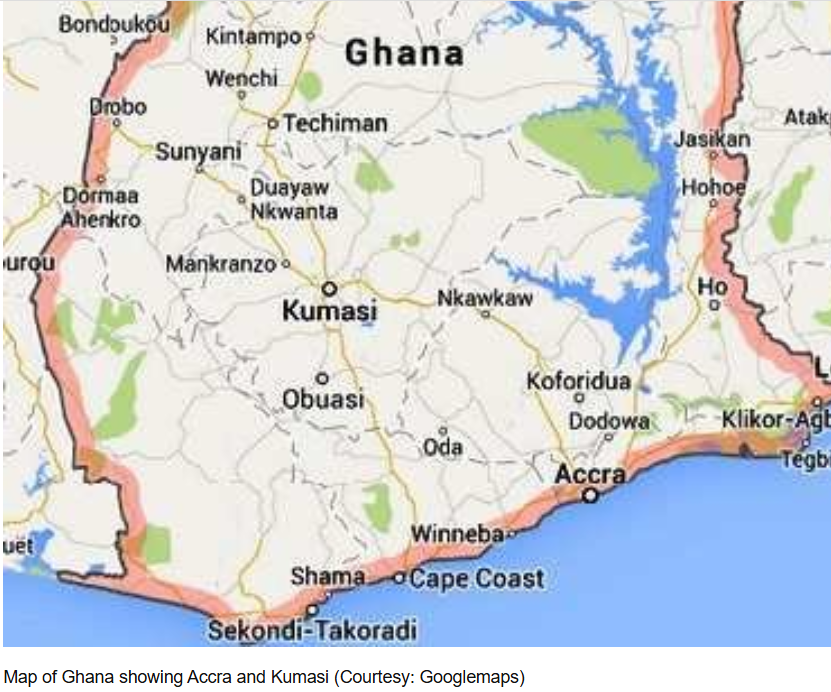
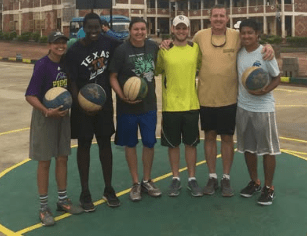
25 Things I Learned and 10 Things I Want to Do Different as a Result of My Trip to Ghana – May 2016

25 Things I Learned on the Ghana Trip
- Don’t forget your malaria meds!
- Before long flights, drink lots of water and walk around some during the flight – keeps your feet from swelling up
- Reminded of the horrible dangers of head trauma – watched the movie Concussion on the way to Ghana
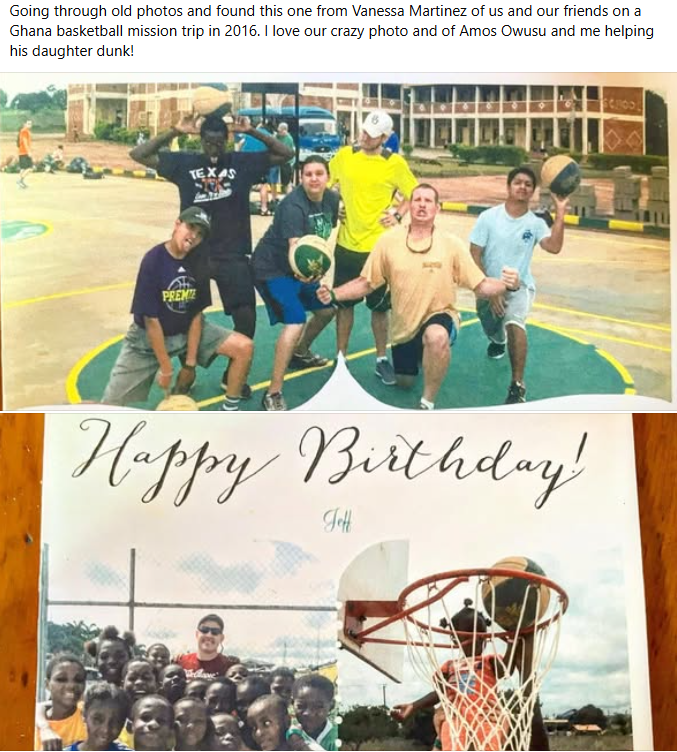
- Take a megaphone next time – lost much of my voice several days in from teaching 100-200 youth
- Be careful if you go to a professional soccer game where the home team loses – the fans weren’t happy
- Don’t assume that a “resting” face, or someone’s default face, means they are not friendly and interested in you
- Ghanaians are very friendly – so rare to see people acting rude; to us or others
- A tiny percentage of people carry guns and it’s much safer to walk around – most crime not person-on-person
- Eat what they give you and learn to experience new tastes (e.g. ketchup on salad, uncooked dough in soup)
- Remember the value of having trash service – in Ghana they mostly burn their trash or sadly, throw it anywhere
- The value of learning and using people’s names cannot be underestimated
- Meals were typically 1.5-2 hours. Learn to enjoy the conversation during and after a meal
- Never underestimate the value of sleep to improve your strength and mood
- Worship in church is more expressive, including dancing in the front
- Elderly are highly respected in Ghana; assumed to have more wisdom – we did not see many people over 60 there
- Caning still happens in some of the schools – not something I liked to see but it got students’ attention
- Not having wifi was not too hard – played lots of games with our group without electronics
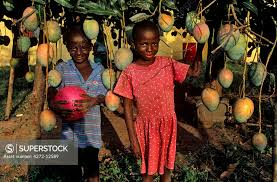
- Mangos, avocados, pineapple, watermelon, and coconuts grow abundantly in Ghana – ate 2 mangos off a tree!
- It is extremely hard for people in Ghana to go to U.S. – Visas are regularly rejected for no apparent reason
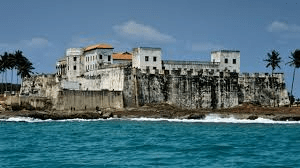
- Reminded of the horror of slavery in touring Elmina slave castle – built in 1482 – used by Portuguese, Dutch, & British
- By deciding that nothing was essential, I walked away from sales that were not to my liking – which often led vendors to come back to me and take my offer.
- Learned much from Daniel Kahneman’s Thinking Fast and Slow, a book I read on the flight back. Included concepts of anchors, confirmation bias, priming, halo effect, substitution, law of small numbers, availability cascades, etc.
- Watched the Big Short and applied some of Kahneman’s book to the 2008 real estate/stock market crash
- Many Pentecostal pastors are taking lots of money, building overly nice churches, and advertising their image and name over God’s and the church’s name. Wonder if Ghanaians end up getting hurt by this twisting of the gospel.
- One of our key messages to the youth, stated by a pastor there, was memorable to me – “You are uniquely created in the image of God, and worthy of being loved by God and others.”
10 Things I Want to Do Differently as a Result of My Experience in Ghana
- Be more comfortable not knowing what is coming next – let some things happen and adjust as best I can
- Remember what students are capable of and seek to give them more opportunities to lead
- Eat less refined sugar and drink less caffeine – dessert is rare in Ghana and needed less with adequate sleep
- Say hi to even more people – learn and use their names when possible
- Be thankful for our material comforts and realize that they can get in the way of more important things – work that frustrated me could be sad but now seems minor in perspective to the lack of clean water in much of Ghana
- Stay in touch with friends in Ghana – they love their nation but would like to maintain contact with American friends
- Work more to help people at greater disadvantage in the U.S. to succeed
- Encourage more students to go on Baylor mission trips and support missions financially
- Stay in touch with the students on my team and encourage them in their lives moving forward
- Seek more diverse church and Christian fellowship – attended Sunday School led by Nigerian and populated with members from multiple African nations, SES statuses, ages, genders, etc.
 Deep Thoughts on Higher Ed and Life