
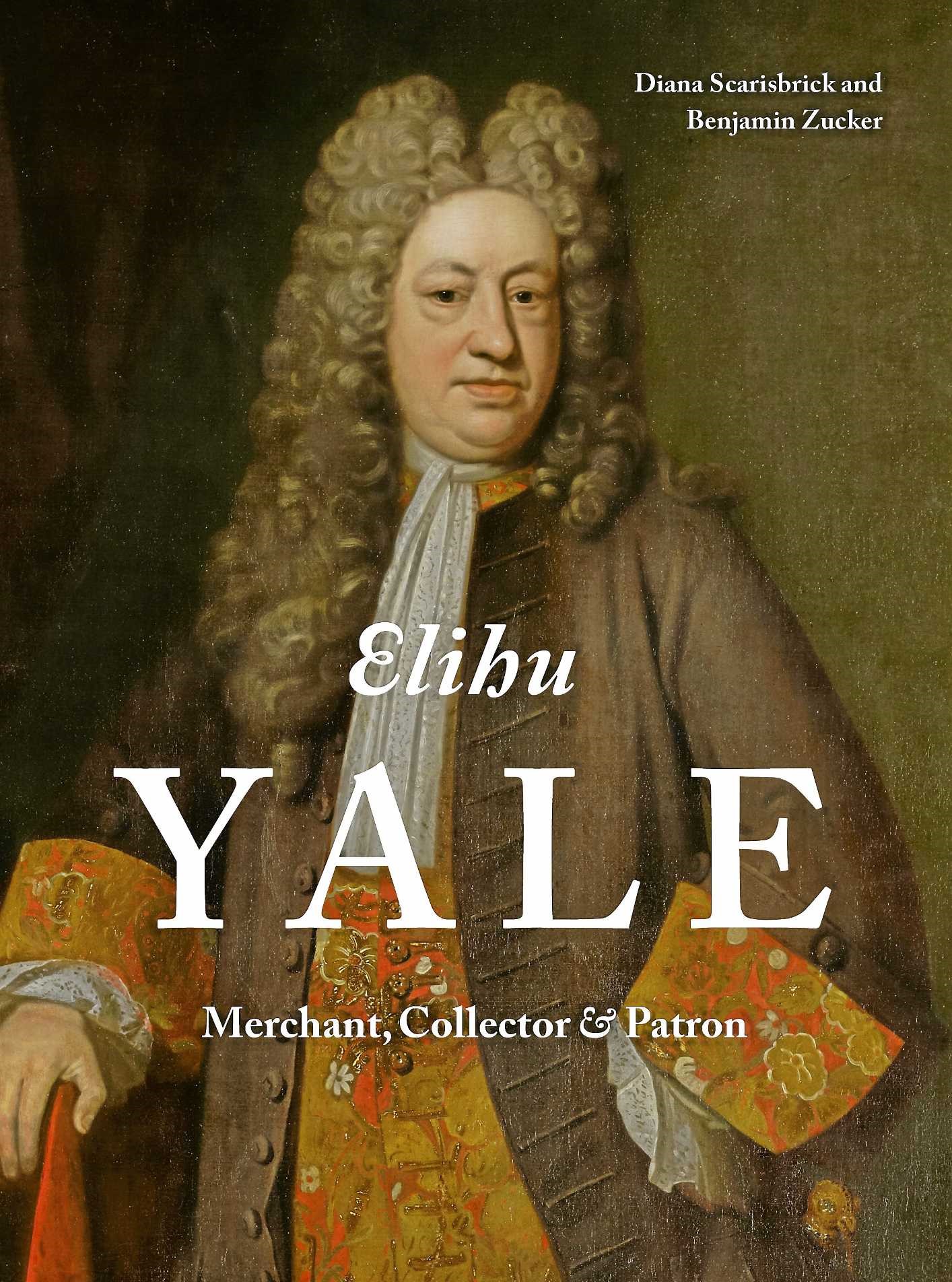
“Donors during the Colonial College era were often focused on one of two goals – to gain both perpetual fame and eternal salvation. One fascinating glimpse at the biographical profile of a philanthropist who combined the two goals comes from the epitaph that Elihu Yale wrote to describe himself before his death in 1721:
Born in America, in Europe bred,
In Africa Travell’d, and in Asia wed, Where long he livd, and thrivd; at London dead.
Much good, some ill, he did; so hope all’s even,
and that his soul, through mercy’s gone to heaven.
You that survive, and read, take care
For this most certain exit to prepare:
For only the actions of the just
Smell sweet and blossom in the dust
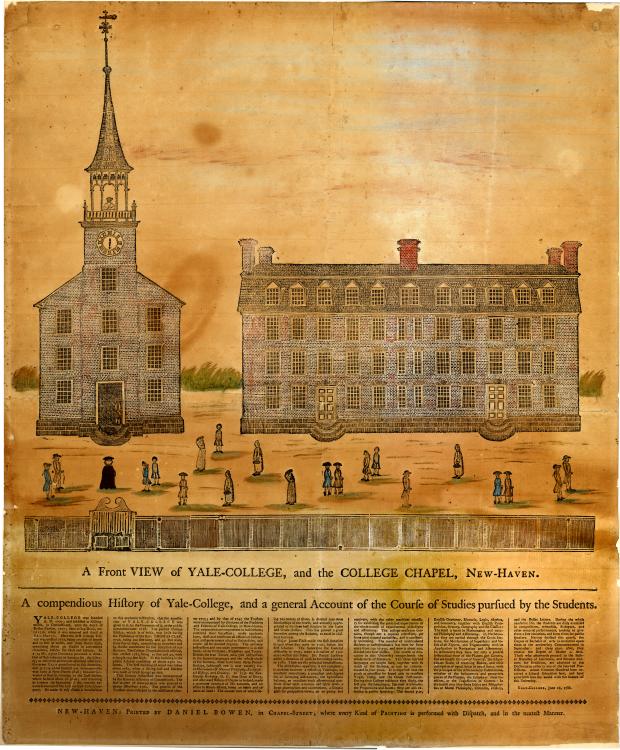
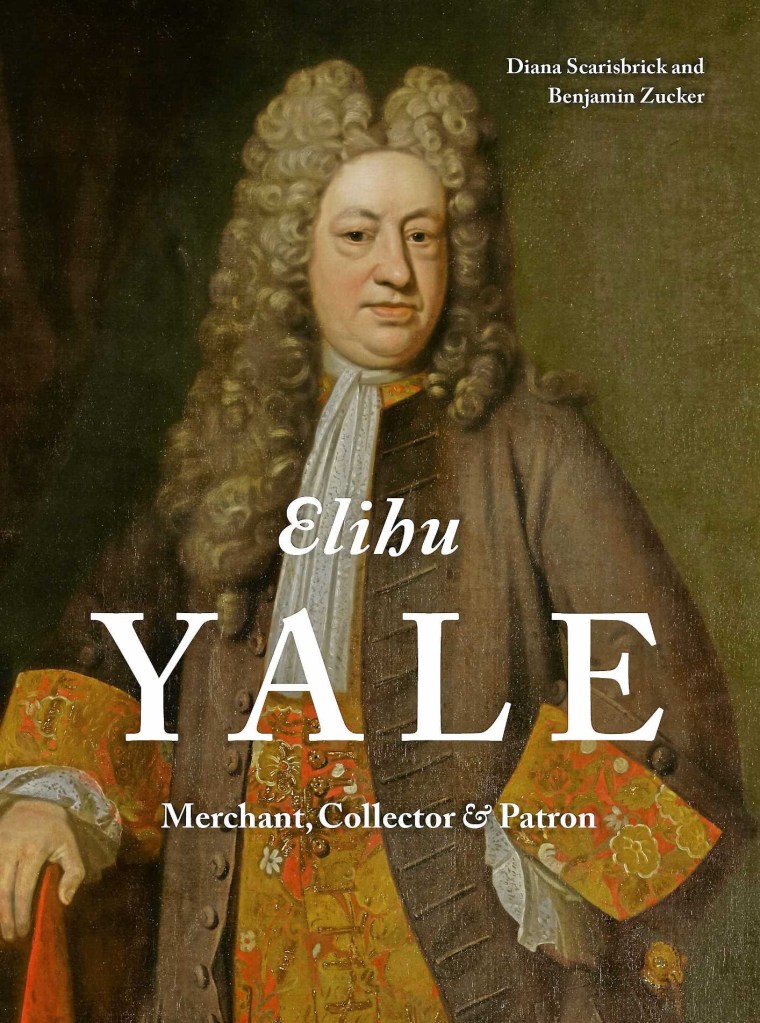
Elihu Yale, described by George Pierson as a “London Yankee who had been a nabob in India” gave the financially struggling collegiate school in Connecticut a gift of “nine bales of goods” worth about £562, along with 417 books and a portrait and arms of King George. Although this donation represented only a small part of his mercantile wealth, the college trustees changed the institution’s name to Yale College as a sign of both gratitude and hope for additional gifts from this new namesake patron.
But much to the college officials’ disappointment, Yale’s will did not mention the college. Unknown to college representatives at the time, Elihu Yale had never really considered the college to be a primary interest among his numerous projects and philanthropies. Religion also probably played a role. As an Anglican he had reservations about being benefactor for a college that represented a dissenting denomination.” From Thelin’s Colonial Colleges chapter
In 1999, “an article in American Heritage magazine rated Elihu Yale the “most overrated philanthropist” in American history, arguing that the college that became Yale University was successful largely because of the generosity of a man named Jeremiah Dummer, but that the trustees of the school did not want it known by the name “Dummer College”.”
Although born in Boston, Massachusetts, Yale only lived in America as a child, spending the rest of his life in England, Wales, and India. He became a clerk for the East India Company at Fort St. George, and eventually rose to President of the settlement, where he oversaw the slave trade”. He later lost that position under charges of corruption for self-dealing and had to pay a fine.” From Wikipedia
 Deep Thoughts on Higher Ed and Life